Begin with the performance time
Travel planning works backward from the time an audience should be seated, not merely from the advertised start. Allow for the walk from station or parking, the building entrance, any security procedure and movement through the lobby. A short geographic distance can take longer when many people arrive together.
This guide provides no live map, traffic feed or parking inventory. Street patterns, rail schedules and facility conditions change. Use a current transport source and the current venue's visitor information on the day of travel.
Arriving by rail
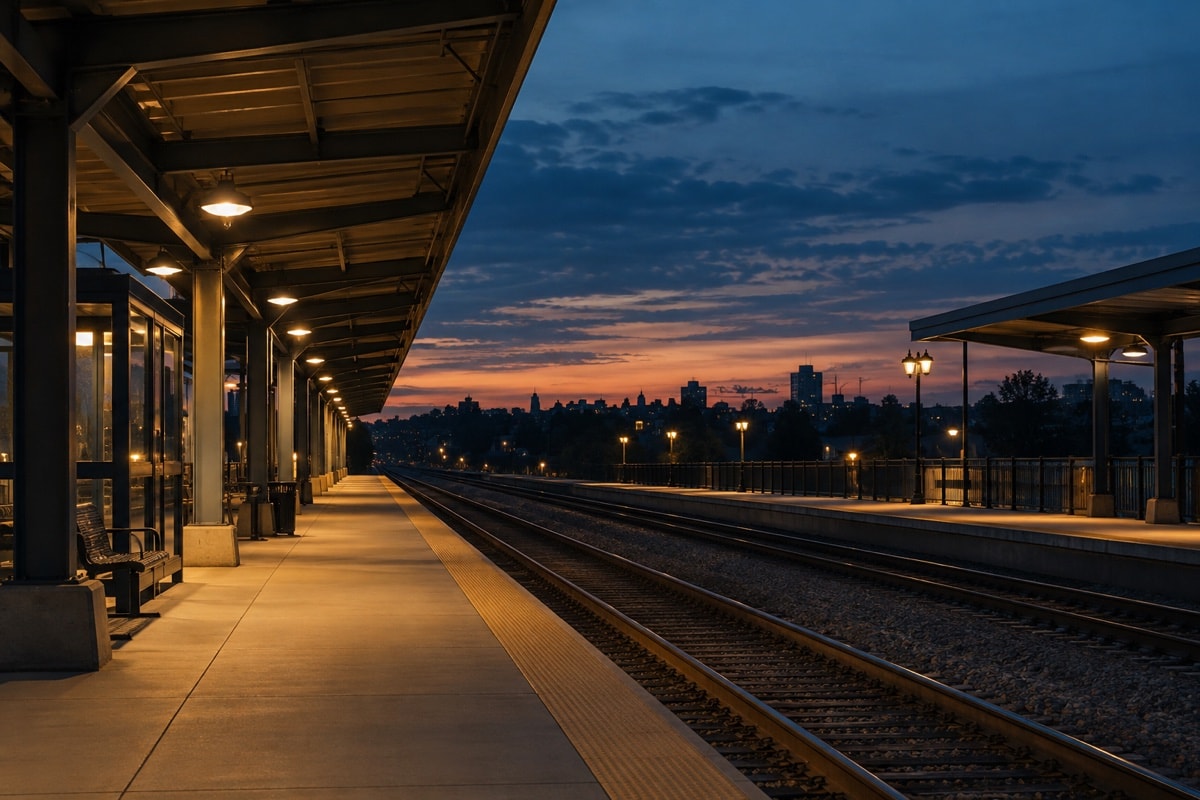
The Stamford Transportation Center is served by the Metro-North New Haven Line along with other rail services. That makes train travel a practical part of the downtown theatre picture. The station is not the venue, so the final walking or local connection remains part of the plan.
Check the return trip as carefully as the outbound one. Evening service intervals, track information and the time needed to leave a full auditorium can affect the choice. Keep enough margin that an encore, curtain call or slow exit does not turn the walk into a rush.
The Atlantic Street pair
The Palace Theatre and Rich Forum are both on Atlantic Street and are described as being within four blocks of each other. That closeness can cause confusion if a traveler recognizes the street but not the building. Confirm the venue name attached to the event before setting out.
A walk between the two places offers a quick sense of downtown scale. Commercial buildings, intersections and evening activity frame the route. The Rich Forum now serves as a television production studio, so an arts-history walking point should not be mistaken for a public event entrance.
Driving and parking
For travel by car, identify more than one public parking option in the downtown area and check its current operating conditions independently. A garage named in an old direction sheet may have changed its hours, rules or access. No garage, rate or route is endorsed here.
Allow time for one-way streets, event traffic and the walk from the parked car. Note the facility entrance used on arrival, since a pedestrian exit may lead to a different side of the block. Keep valuables out of view and follow posted rules in the chosen facility.
Walking the last blocks
Downtown walking conditions change with weather, construction and time of day. Choose a route that favors clear crossings and well-used sidewalks rather than only the shortest line on a map. Comfortable footwear matters when the evening includes station platforms, stairs and a wait outside the auditorium.
A companion who needs step-free access may require a particular entrance or drop-off point. Confirm that route with the current venue before arrival. A general map cannot show temporary barriers, elevator status or event-specific door use.
Meeting without an address
When a group travels separately, agree on an interior public landmark named by the current venue, such as the main lobby after entry, rather than a curbside point. A busy theatre entrance can make a vague plan difficult. Keep admission information with each attendee so that one delay does not hold the whole group outside.
This page intentionally carries no street number, postal code, phone, map embed or contact channel. It explains the downtown relationship while leaving time-sensitive navigation to current transport and venue sources.
After the performance
Exiting takes time. Balcony stairs, coat collection and crowded sidewalks can slow the first minutes after the curtain. If a train connection is tight, choose a seat and route with that in mind before the event rather than trying to pass through a moving crowd.
The practical aim is simple: build enough margin that travel supports the evening instead of competing with it. Downtown Stamford's compactness helps, but a calm plan remains the most reliable connection between station, street and stage.
Build in a weather margin
Rain, snow, heat and darkness change the final blocks more than a route diagram suggests. A small time margin allows for a slower crossing, a different entrance or a pause indoors. It also gives station and venue staff room to assist without turning an ordinary question into a race against the curtain.