A field at the meeting point of art and health
Performing-arts medicine is a field concerned with health questions affecting performers. Its subjects include dancers, instrumental musicians, singers and actors, whose work combines artistic decisions with repeated physical demands.
A stage can make effort look effortless. The smooth phrase, sustained posture or controlled entrance may be the result of long repetition. Research tries to describe that work without reducing performance to sport or treating every ache as the same event.
Dancers as performing athletes
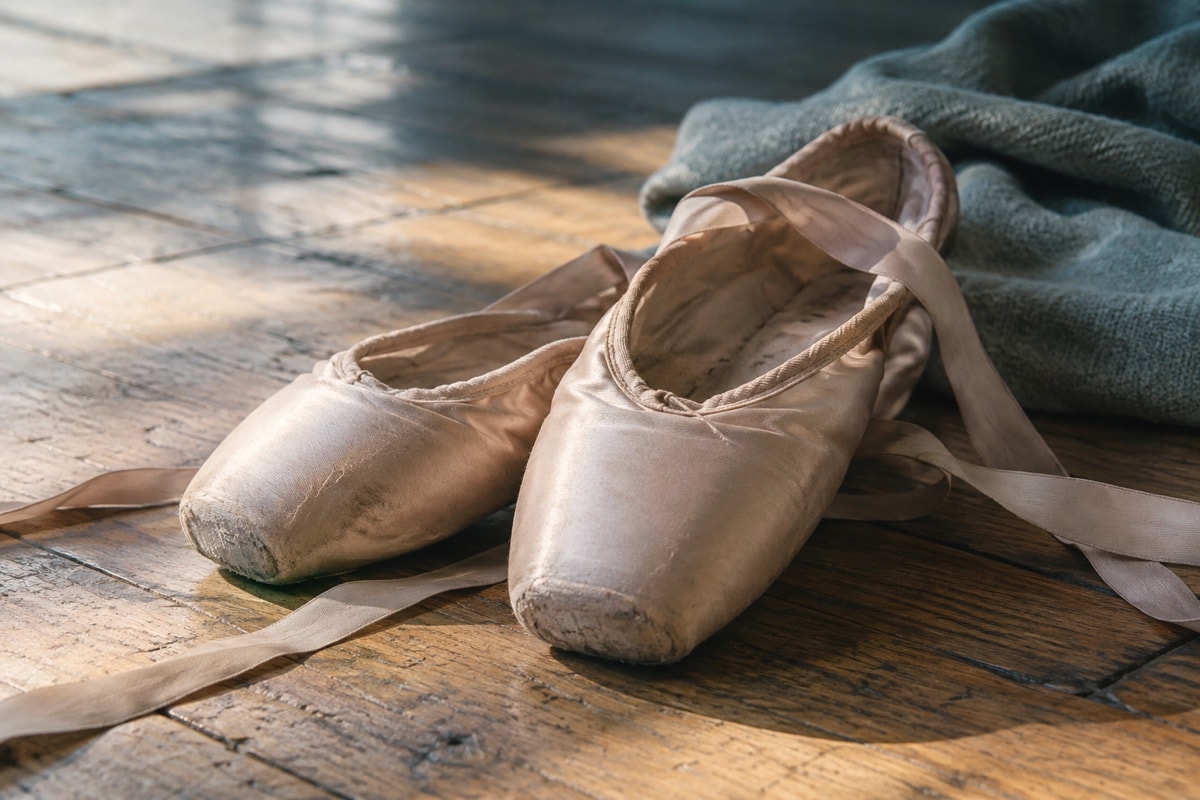
A review in Sports Medicine described the dancer as a performing athlete and examined the particular physical demands around dance. A later systematic review in the Orthopaedic Journal of Sports Medicine reported that most injuries described across amateur and professional ballet studies were overuse injuries.
Another systematic review in Sports Health examined hip and groin injuries in dancers and emphasized limits in the available evidence. A retrospective paper in the Journal of Dance Medicine & Science looked at how dancers returned to dance after common injuries; it was an examination of return patterns, not proof that a particular intervention produces a result.
Why injury counts are difficult
A survey in the American Journal of Public Health examined injuries among Broadway performers. A separate profile focused on dancers in one Broadway production and discussed the difficulty of counting injuries consistently. Definitions, reporting habits, exposure time and the difference between pain and time away from work can change the totals.
Those limitations matter. A study of one company or production describes that setting; it should not be turned into a universal prediction. Research language is strongest when it keeps the population, method and uncertainty attached to the finding.
Musicians, posture and repeated load
Instrumental performance can involve sustained positions, fine repetitive movement and asymmetric load. A 1998 review in CMAJ examined playing-related musculoskeletal disorders and cautioned about the quality of the underlying studies.
A 2020 systematic review on professional musicians examined musculoskeletal complaints and concluded that high-quality studies were still missing. A later review in Applied Ergonomics considered how researchers assess musicians' posture while playing. Together, these papers show a field working on measurement as well as description.
Singers and the working voice
A systematic review and meta-analysis in the Journal of Voice examined self-reported voice problems in singers. Self-report captures the performer's experience, but it is not identical to a clinical assessment and depends on how questions and populations are defined.
NIDCD guidance describes voice care and signs of a voice problem, while MedlinePlus provides general reading on voice disorders. These sources do not make every change in a singing voice equivalent. Duration, severity and professional assessment matter.
Hearing in orchestral work
Research in Ear and Hearing examined hearing and sound exposure among professional symphony orchestra musicians. Another study considered hearing-conservation and noise-management practices in professional orchestras. NIDCD explains noise-induced hearing loss and the relationship between sound exposure and hearing.
An orchestra is not a uniform sound field. Instrument, seating position, repertoire, room and rehearsal schedule vary. Research about exposure describes populations and conditions; it does not justify a personal diagnosis from a seat location or one difficult evening.
Overuse, tendinitis and recovery
MedlinePlus describes tendinitis as inflammation or irritation of a tendon. NIAMS distinguishes injuries that happen suddenly from overuse injuries that develop through repeated activity over time. These terms can describe patterns, but identifying a specific problem belongs to a health care provider.
Rest and recovery are ordinary biological processes through which the body responds after work. Their timing is not identical across people or problems. This page gives no routine, dosage, product, procedure or individualized instruction.
When to stop
Pain that is sharp, persistent or getting worse, numbness, a voice that stays hoarse or changes, or ringing or dullness in the ears after a performance is a reason to stop and see a health care provider rather than work through it.
This is general information, not medical advice. A qualified health care provider can assess an individual concern in context. Emergency symptoms require appropriate emergency services.
Research is a map, not an individual verdict
Population studies can identify questions, recurring patterns and gaps in evidence. They cannot determine what one performer is experiencing from a description alone. Keeping that boundary clear respects both the research and the person whose work depends on a moving, listening or sounding body.